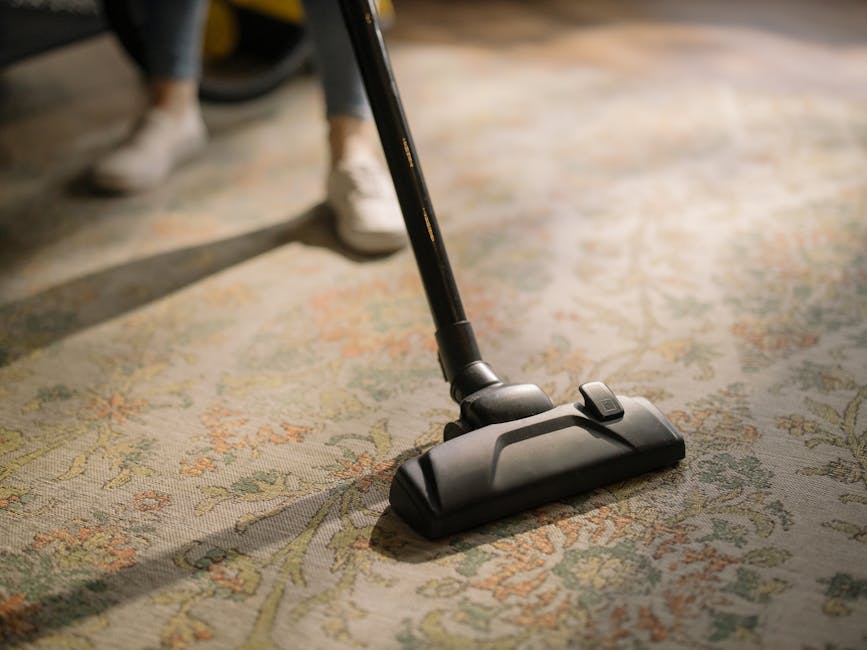
Dalston carpet cleaning before and after case study Hackney: a practical look at real results
If you have been staring at a tired hallway runner, a stained living room carpet, or that one patch near the sofa that never quite looks clean again, you are in the right place. This Dalston carpet cleaning before and after case study Hackney guide breaks down what a proper clean can change, what it cannot, and how to judge whether the job is worth doing in the first place. Not in vague marketing terms. In real, lived-in terms.
Carpets in Dalston and wider Hackney take a fair bit of punishment. Shoes, pets, London weather, takeaway spills, daily foot traffic, it all adds up. The interesting part is that many carpets do not actually need replacing. They just need the right process, the right products, and enough patience to let the fibres come back to life. Let's face it, that is not always obvious until you see a before-and-after comparison side by side.
This article walks through the transformation, the method behind it, the common mistakes people make, and how to decide if your carpet is a good candidate for cleaning rather than replacement. You will also find practical advice, a comparison table, and a checklist you can use before you book a service.
Contents
- Why Dalston carpet cleaning before and after case study Hackney matters
- How Dalston carpet cleaning before and after case study Hackney works
- Key benefits and practical advantages
- Who this is for and when it makes sense
- Step-by-step guidance
- Expert tips for better results
- Common mistakes to avoid
- Tools, resources and recommendations
- Law, compliance, standards, or best practice
- Options, methods, or comparison table
- Case study or real-world example
- Practical checklist
- Conclusion
- Frequently asked questions
Why Dalston carpet cleaning before and after case study Hackney Matters
A before-and-after case study is useful because it shows the difference between what a carpet looks like and what it actually needs. A carpet can seem beyond saving when it is really just holding embedded soil, grease, dust, and old spills in the pile. When you clean that properly, the change can be striking. Sometimes dramatic. Sometimes subtle but still important.
In Dalston and the surrounding Hackney streets, homes are often busy, compact, and well-used. That means carpets can pick up a mixed bag of dirt: outdoor grit near entrances, drink marks in social spaces, pet odours, and flattened fibres in high-traffic areas. A proper case study helps you see how these problems respond to different cleaning methods, rather than guessing from a one-line service pitch.
It also matters for expectations. A professional clean should improve appearance, freshness, and hygiene, but it will not magically erase every permanent stain or repair worn backing. Knowing that upfront makes for a much better experience. Honest expectations save awkward conversations later. They really do.
For anyone comparing options in the area, this kind of case study is especially useful if you are also thinking about related services such as carpet cleaning, steam carpet cleaning, or treating a specific issue like pet stain and odour removal. The right choice depends on the carpet, not just the room.
How Dalston carpet cleaning before and after case study Hackney Works
Most real transformations follow a simple logic: inspect, test, pre-treat, clean, rinse or extract, and then dry properly. Sounds straightforward. In practice, the details matter a lot.
A good cleaner starts with fibre identification. Wool, synthetic blends, and delicate natural fibres respond differently. Then comes a close look at the problem areas. Are the marks water-based? Greasy? Organic? Old pet accidents? That first assessment shapes everything that follows, because using the wrong approach can make a mark more stubborn, not less. That is the part people do not always see.
In a typical Dalston property, the process may look like this:
- Initial inspection to identify traffic lanes, stains, fibre type, and any damage.
- Dry soil removal through thorough vacuuming to lift loose grit before moisture is introduced.
- Pre-treatment for stains, spots, and general soil build-up in high-use areas.
- Agitation to work cleaning solution into the fibre and loosen embedded dirt.
- Hot water extraction or equivalent method to remove suspended soil and residues.
- Post-spot treatment for anything that needs a second pass.
- Final grooming and drying advice so the carpet dries evenly and looks tidy as it sets.
If the carpet has a deeper issue, such as pet contamination or lingering smells, the process may need to be adjusted. In those cases, a more targeted treatment can help, and services like stain removal or odour treatment become especially relevant.
The before-and-after difference usually comes from a combination of soil removal and fibre restoration. Dirt dulls colour. Flattening changes texture. Cleaning lifts both. That is why even a carpet that seems "just a bit tired" can look much brighter after treatment.
Key Benefits and Practical Advantages
The obvious benefit is appearance. The less obvious ones are often what make the job worthwhile.
- Better visual appeal: Colour looks deeper, patterns become clearer, and the room feels fresher.
- Improved hygiene: Embedded dirt, allergens, and residue are reduced, especially in busy family spaces.
- Odour control: Smells trapped in the pile are often reduced, particularly where spills or pet traffic have been a problem.
- Longer carpet life: Removing grit and residue can reduce wear from fibre abrasion.
- Better decision-making: A clean carpet makes it easier to tell whether replacement is genuinely needed.
There is also a practical financial angle. Replacing carpet is expensive, disruptive, and often unnecessary if the fibres and backing are still in good shape. Cleaning can buy time, sometimes a lot of it, and keep a home or rental looking cared for without major upheaval. To be fair, that matters even more in a busy London property where time is tight.
Expert summary: A good before-and-after result is not only about removing visible marks. It is about restoring the feel of the carpet, reducing built-up soil, and giving you a realistic view of whether the flooring still has years left in it.
Who This Is For and When It Makes Sense
This kind of cleaning makes sense for a fairly wide group of people, but it is especially helpful if your carpet has not been professionally cleaned in a while and the surface is showing obvious traffic patterns. It is also a good option if you are preparing a property for guests, tenants, sale, or a general reset after a busy period.
You may benefit most if you are:
- a homeowner in Dalston trying to refresh a lived-in room
- a tenant wanting to improve the condition of a property before checkout
- a landlord or letting agent preparing a flat for new occupants
- a family dealing with spills, pet marks, or heavy hallway traffic
- a small business owner with carpeted office or reception areas
There are cases where cleaning is the better first step before committing to new flooring. If the carpet is structurally sound, not badly frayed, and still has decent pile left, a proper clean often gives a very respectable result. If there is visible fibre loss, severe bleaching, or heat damage, though, expectations should be moderated.
For commercial spaces, it can also be worth comparing domestic and business needs. Offices, clinics, and shopfronts often need a different schedule and more targeted maintenance, which is where commercial carpet cleaning becomes the more suitable conversation.
Step-by-Step Guidance
If you are trying to understand what a sensible carpet cleaning process looks like, here is a straightforward version of it. Not the glossy brochure version. The practical one.
- Look closely at the carpet first. Check the worst spots in daylight if possible. A stain by the window often looks different in the evening lamp glow. Funny how that works.
- Vacuum thoroughly. Dry soil is easier to remove before it turns into mud with cleaning solution.
- Identify the problem areas. Traffic lanes, drink marks, pet zones, and entry points usually need different treatment.
- Test an inconspicuous patch. This is essential on delicate fibres or older carpets. A tiny test can prevent a much bigger problem.
- Pre-treat the stains. Let the product do some of the work before extraction begins.
- Clean in sections. Working methodically avoids over-wetting and missed areas.
- Rinse or extract thoroughly. Cleaning solution left behind can attract more soil later.
- Dry with care. Good airflow helps, and so does avoiding heavy foot traffic until the carpet is properly dry.
- Inspect again once dry. Some stains reappear slightly after drying, especially if they were deep in the pile.
A quick note here: not every carpet should be treated the same way. A low-pile synthetic in a rental flat is very different from a thicker wool carpet in a period property. The method should fit the material, not the other way around.
Expert Tips for Better Results
Over the years, the difference between an average clean and a really good one often comes down to the small things. Here are the details that matter.
- Do not skip vacuuming: It sounds obvious, but dry soil is the enemy of a good finish.
- Act quickly on fresh spills: Blot, don't rub. Rubbing just drives the spill deeper.
- Use the right pre-spray: The chemistry should match the stain and fibre type.
- Avoid over-wetting: Too much moisture can lead to slow drying or wicking, where old soil rises back to the surface.
- Control airflow: Open windows when weather allows, and use fans if appropriate.
- Check under furniture: A carpet can look clean in open areas while hidden zones tell a different story.
- Plan around daily life: If you have kids, pets, or a tight work schedule, timing matters more than people think.
One small but useful tip: if a stain looks lighter after cleaning and then darkens again as the carpet dries, that is not always failure. Sometimes it is simply residual moisture pulling soil back up through the pile. Annoying, yes. But not unusual. It can often be addressed with a targeted second treatment.
Also, be realistic about heavily worn paths. Cleaning can improve colour and reduce the gritty feel, but it cannot rebuild missing fibres. If the carpet is threadbare in places, the before-and-after story will show improvement, just not a miracle. And honestly, that is fine.
Common Mistakes to Avoid
A lot of disappointment around carpet cleaning comes from avoidable mistakes rather than bad results. The job itself may be fine; the preparation or expectations were just off.
- Using too much detergent: More product does not mean better cleaning. It often means more residue.
- Scrubbing aggressively: This can distort fibres and spread stains.
- Cleaning only the visible spot: Spot-only cleaning can leave rings or uneven patches.
- Ignoring fibre type: Wool, synthetic, and blended carpets behave differently.
- Not allowing proper drying time: Walking on the carpet too soon can flatten damp pile and transfer dirt.
- Expecting every stain to vanish: Some marks are permanent, especially if dyes have set or the fibre has been damaged.
- Choosing the cheapest option without checking what is included: Hidden extras and rushed methods can ruin the value.
To be fair, the cheapest route can sometimes be fine. But if you are comparing providers, make sure you know whether pre-treatment, stain focus work, and drying guidance are included. The devil is in the detail, as usual.
Tools, Resources and Recommendations
You do not need a warehouse of equipment to get good results, but the right tools make a big difference. Even for a homeowner trying to maintain a clean carpet between visits, a few basics help more than a cupboard full of random products.
Useful tools and resources include:
- A reliable vacuum cleaner with decent suction and a clean filter
- Microfibre cloths for blotting spills without pushing them deeper
- Plain white towels for pressing up moisture and checking transfer
- A soft brush for gentle fibre grooming where suitable
- Access to professional cleaning service information such as pricing and quotes and contact options
If your home has other soft furnishings that collect dust or odours, it can make sense to think in whole-room terms rather than one item at a time. That might mean pairing carpet work with sofa cleaning, upholstery cleaning, or even curtain cleaning if the room needs a broader refresh.
For people who care about how waste and chemicals are handled, sustainability and aftercare are worth asking about too. A sensible provider should be able to explain their approach to water use, product selection, and disposal habits in plain language. It should not feel vague.
Law, Compliance, Standards, or Best Practice
This topic is mostly about best practice rather than heavy regulation, but there are still sensible standards to keep in mind. In the UK, anyone carrying out cleaning work in homes or businesses should take care with health and safety, product handling, and property protection. That sounds basic, but it matters when water, electricity, furniture, and fabrics are all in the same room.
For customers, the practical checks are simple:
- make sure the provider is insured and can explain how they protect your property
- ask what happens if a stain does not respond as expected
- confirm what the quote includes so there are no awkward surprises
- check whether special treatment is needed for delicate fibres or old carpets
It is also sensible to look for clear terms on payment, complaints handling, and privacy if you are booking online. On the website side, useful supporting pages such as insurance and safety, health and safety policy, terms and conditions, and privacy policy help build trust. That is not just box-ticking. It tells you the business takes the work seriously.
If you ever need to raise an issue, a visible complaints procedure is another good sign. Simple, clear, and no drama. That is what you want.
For environmentally minded customers, it can also help to ask about disposal, product efficiency, and repeat-service planning. A good clean should not create unnecessary waste, and it should not leave the room smelling of harsh residue for days. Thankfully, that is avoidable with the right approach.
Options, Methods, or Comparison Table
Different carpet cleaning methods suit different carpets and different levels of soiling. The best option is not always the most aggressive one. Sometimes the quieter, more measured choice gives the better result.
| Method | Best for | Strengths | Things to watch |
|---|---|---|---|
| Hot water extraction | Most general carpet cleaning jobs | Deep soil removal, strong refresh, widely used | Needs careful drying and proper technique |
| Steam-style cleaning | Carpets with embedded dirt and routine maintenance needs | Good for refreshing fibres and loosening grime | Not ideal if over-wet or rushed |
| Spot and stain treatment | Localised marks and isolated spills | Targets visible issues fast | May not solve overall dullness on its own |
| Low-moisture maintenance cleaning | Light refresh between deeper cleans | Shorter drying time, useful for busy homes | Less powerful on heavily soiled carpets |
If your carpet is broadly clean but has a couple of embarrassing patches, targeted treatment may be enough. If the whole room looks flat, greyed out, or dull, a deeper extraction method is usually the better route. The room will tell you, in a way.
For readers researching costs, it can help to read a local guide before booking. A useful starting point is the area-specific article on Hackney carpet cleaning real cost guide E8, especially if you are trying to understand what affects pricing without getting lost in jargon.
Case Study or Real-World Example
Here is a realistic example of the kind of result people often want to see in Dalston and Hackney. It is not a fantasy makeover, just a practical before-and-after scenario based on the sort of work that comes up regularly in lived-in homes.
Before: A two-bedroom flat near central Dalston had a beige living room carpet with dark traffic lanes leading from the hallway to the sofa. There were a few food marks near the coffee table, a dull patch by the window, and a slightly stale smell after damp weather. Nothing dramatic at first glance, but enough to make the room feel tired.
Assessment: The carpet was still structurally sound. The pile was flattened but not badly worn, and the marks appeared to be a mix of tracked-in soil, drink residue, and general daily use. That made it a good candidate for cleaning rather than replacement.
Process: The carpet was vacuumed thoroughly, treated in the high-traffic areas, and cleaned methodically in sections. A couple of older marks needed a second pass. The goal was not just to remove visible spots, but to lift the general dullness from the whole room.
After: The room looked brighter, the fibres stood up more evenly, and the dark lanes were reduced significantly. The smell was fresher too. Not artificially perfumed, just cleaner. The couple of stubborn marks did not vanish completely, but they faded enough that they no longer drew the eye straight away.
That kind of result is often the sweet spot: noticeable improvement, lower cost than replacement, and a room that feels looked after again. Sometimes you do not need perfection. You just need the space to stop bothering you every time you walk in. Truth be told, that is what most people are after.
If the property is being prepared for moving out or moving in, that same kind of refresh can sit nicely alongside broader planning advice such as the articles on moving to Hackney or end of tenancy cleaning in Hackney Central.
Practical Checklist
Use this checklist before you book, or before you decide to tackle the carpet yourself.
- Have you inspected the carpet in good daylight?
- Do you know which stains are fresh and which are old?
- Have you checked whether the carpet is wool, synthetic, or a blend?
- Are you clear on whether the main issue is dirt, odour, wear, or all three?
- Do you know whether a deep clean or a lighter maintenance clean is more suitable?
- Have you confirmed drying time and room access arrangements?
- Have you asked what happens if a stain is permanent?
- Have you checked the provider's safety, insurance, and complaints information?
- Have you planned for pets, children, or foot traffic after cleaning?
- Do you know what result would count as a successful job for your carpet?
A small note from experience: if you are unsure about the fibre type, say so. No shame in that. It is much better to ask a simple question than to use the wrong product and spend the next week wondering why the carpet smells slightly odd.
Conclusion
A strong Dalston carpet cleaning before and after case study Hackney shows what many people suspect but do not fully trust until they see it: a lot of carpets can recover far more appearance and freshness than expected. The key is matching the method to the carpet, setting realistic expectations, and cleaning with enough care to avoid creating new problems.
If you are weighing up whether to clean or replace, start with the basics. Look at fibre condition, traffic wear, stain type, and how the room actually feels day to day. In many cases, a proper clean gives you a cleaner, brighter, better-looking result without the disruption of new flooring. That is a good outcome. A very good one, in fact.
Get a free quote today and see how much you can save.
And if your carpet still looks a bit rough after all that, do not panic. Sometimes the honest result is simply the first step toward a better room, not the final word.
Frequently Asked Questions
What does a carpet cleaning before and after case study usually show?
It usually shows how much soil, staining, and dullness were removed, plus whether the fibres recovered their shape and colour. The best case studies also show what remained unchanged, because that helps set realistic expectations.
How long does a carpet take to dry after professional cleaning?
Drying time varies depending on fibre type, airflow, cleaning method, and room temperature. In general, it is sensible to allow enough time for the pile to dry fully before heavy foot traffic returns.
Will carpet cleaning remove every stain?
No, not every stain. Some marks are permanent, especially if the fibres have been damaged or dyed by the spill. A good clean can still improve appearance a lot, even if a faint shadow remains.
Is steam carpet cleaning better than other methods?
It depends on the carpet and the level of soiling. Steam-style or hot water extraction methods are often excellent for deep cleaning, but they need proper technique and drying time. There is no one-size-fits-all answer.
How do I know if my carpet needs cleaning or replacement?
If the carpet is structurally sound but looks dull, stained, or tired, cleaning is often the better first step. If the pile is worn through, backing is damaged, or fibres are severely frayed, replacement may be the more sensible option.
Can carpet cleaning help with pet smells?
Yes, especially if the odour is coming from the pile or surface contamination. Deeper contamination can be more difficult and may need targeted treatment. If you are dealing with a repeated issue, ask about pet-specific cleaning.
How much should I expect to pay in Hackney or Dalston?
Prices vary depending on room size, stain severity, access, and method used. A local pricing guide can help you understand what affects the quote, but it is always best to request a tailored estimate for your property.
Is carpet cleaning safe for children and pets?
It can be, provided suitable products and safe drying practices are used. Ask what is being applied, how long the room should stay out of use, and whether any special precautions are needed for your household.
What should I do before the cleaner arrives?
Clear smaller items from the floor, vacuum if requested, and point out stains or damaged areas. If you have pets, plan how they will be kept away from the work area during and after cleaning.
Can professional cleaning help with allergies?
It may help reduce dust, debris, and trapped particles in the carpet pile, which can be useful for some households. That said, it is not a medical treatment, and results vary. Regular vacuuming and good ventilation still matter.
How often should carpets in a busy Hackney home be cleaned?
There is no single rule, because usage is different in every home. Busy households, rental properties, and homes with pets often benefit from more frequent maintenance than quieter spaces. A practical schedule is usually better than waiting until the carpet looks obviously tired.
What is the biggest mistake people make with carpet cleaning?
Probably expecting the wrong method to fix the wrong problem. The second biggest mistake is over-wetting the carpet. Both can spoil results, so it helps to inspect carefully and choose the right approach from the start.
Where can I read more about carpet cleaning in Hackney?
You can explore related local information through the service and blog pages on the website, including pricing guidance, stain help, and nearby cleaning topics. It is a useful way to compare your options before booking.