Recycling and Sustainability at Hackney Marshes Carpet Cleaners
 At Hackney Marshes Carpet Cleaners, sustainability is part of how we plan, clean, collect, and dispose of waste from every carpet care service. Our aim is to keep useful materials in circulation for as long as possible and to reduce the environmental impact of carpet cleaning across the Hackney Marshes area and wider East London. That means making better choices about water use, packaging, transportation, and the handling of extracted waste. We also work with a clear recycling percentage target: to recycle or responsibly divert at least 85% of eligible cleaning-related waste from landfill, including packaging, recovered fibres where suitable, and separated non-hazardous materials.
How we support a cleaner borough
Our approach reflects the way local boroughs encourage waste separation and improved sorting at source. In practical terms, that means separating cardboard, plastics, and rinse-safe containers before they leave our workflow, and keeping contamination low so recyclables can be processed properly. We also pay attention to the different streams that matter in London, such as dry mixed recycling, residual waste, and reusable material recovery. While carpet cleaning creates a limited amount of waste compared with many trades, we believe small improvements matter, especially in densely populated neighbourhoods where every collection choice affects local air quality and resource recovery.
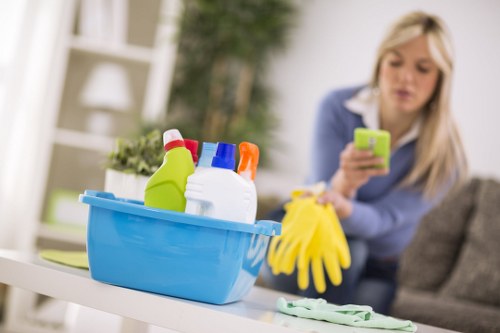 The area around Hackney Marshes is well served by nearby local transfer stations and waste management facilities, which helps us move sorted materials efficiently into the correct recovery channels. Using these sites reduces unnecessary mileage and keeps waste handling aligned with local infrastructure. When appropriate, our team uses transfer stations for segregated cardboard, mixed recyclables, and non-recyclable residue that must be processed through licensed routes. This localised system supports better traceability and allows us to manage waste in a way that is consistent with borough-level sustainability goals and London-wide recycling practices.
Recycling choices in day-to-day operations
Inside our service process, recycling begins before the equipment is even switched on. We choose packaging with recycled content where possible, reuse durable containers, and minimise single-use items. In our fleet and equipment storage, we separate materials such as film plastic, paper, and worn accessories that can be recovered through specialist streams. We also look at textile-related recycling opportunities, including the responsible handling of old or damaged cleaning cloths, mats, and consumables that may have a second life in lower-grade recovery routes. These details may seem small, but together they support a more circular way of working.
 Another important part of our sustainability policy is collaboration with charities and community reuse partners. Where items are still usable, we prioritise donation over disposal, particularly for surplus cleaning textiles, lightly used protective materials, and equipment accessories that can be passed on safely. These partnerships help extend the life of useful products and reduce the demand for new materials. In some cases, recovered furnishings or soft items from client clear-outs may be directed toward charitable routes if they meet quality and safety standards. This is a practical way to connect carpet cleaning work with broader social value.
Responsible separation and recovery
We also recognise the importance of accurate waste separation within London’s varied borough systems. By keeping recyclable materials clean and properly sorted, we improve the chances that they will be processed efficiently rather than rejected at sorting facilities. This includes simple but effective habits such as flattening cardboard, keeping liquids out of recycling containers, and avoiding mixed disposal of recyclable packaging with general waste. We apply the same care to our own operational waste as we expect from the materials we handle, because good recycling outcomes depend on consistency at every step.
 Our commitment to lower emissions is supported by a growing use of low-carbon vans for local travel. These vehicles are selected to reduce fuel consumption and, where possible, to limit tailpipe emissions on shorter journeys across Hackney Marshes and surrounding districts. Cleaner transport helps reduce the carbon footprint of each visit, especially when routes are planned carefully to avoid unnecessary mileage. Combined with efficient scheduling, this allows us to deliver carpet care with less environmental impact and a more modern, responsible logistics model.
Practical sustainability in a busy urban setting
Urban service work brings unique environmental considerations, from road congestion to waste volume and energy use. That is why we build sustainability into everyday decisions rather than treating it as a separate add-on. We aim to reduce water waste by using measured extraction techniques, maintain equipment so it lasts longer, and prefer repair over replacement whenever practical. We also review procurement choices to favour suppliers with better recycling commitments and less excess packaging. In a borough where waste separation and local recovery are increasingly important, these actions help create a more joined-up, lower-impact cleaning service.
 Looking ahead, Hackney Marshes Carpet Cleaners will continue to strengthen its recycling and sustainability performance through better material recovery, smarter route planning, and deeper community partnerships. We want our recycling percentage target to rise over time as new opportunities for reuse and diversion become available. By combining local transfer station use, charity partnerships, low-carbon vans, and careful waste sorting, we aim to support a cleaner borough while delivering dependable carpet care. Sustainability is not only about compliance; it is about making everyday operations more thoughtful, efficient, and responsible for the long term.